
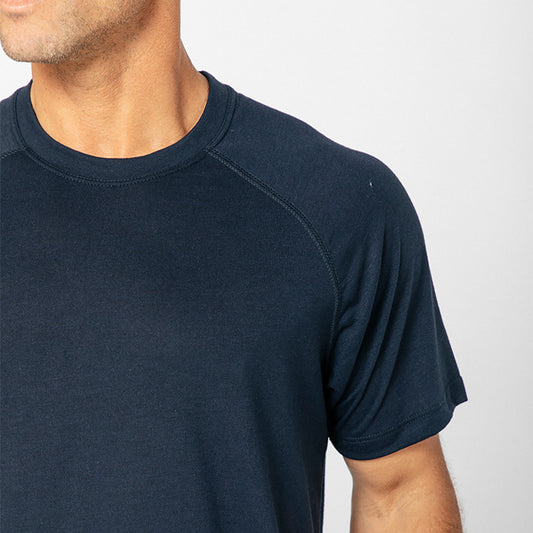
As we imagine a fire fighter, we are likely to think about the famous picture which is determined by the helmet, the symbol of courage and security. However, behind that shiny surface, and in fact, all the layers of their protective garment, there is a refined canvas of science and engineering. Although DFND Shirts – Firefighter Apparel, industry terminology refers to it as Personal Protective Equipment or PPE, is a lot more than heavy-weight fabric: it is a highly complex system developed on a layer-by-layer principle, with the aim of protecting against some of the harshest conditions conceivable. The ultimate importance of protecting the people who are battling the inferno propelled the never-ending innovation process of the science that is hidden in this gear.
Beyond the Core: Specialized Components
The protection extends far beyond the coat and trousers, with every piece of equipment meticulously designed:
- Helmets: More than just head protection, modern firefighter helmets incorporate high-impact resistant composites, internal suspension systems for shock absorption, and integrated visors or goggles for eye protection. Many also feature thermal liners and attachments for communication systems or lighting.
- Gloves: Gloves are complex, multi-layered constructions designed to provide dexterity while offering extreme heat and puncture protection. The outer layer resists abrasion and cuts, while internal layers provide thermal insulation and a moisture barrier, protecting hands from burns and hazardous liquids.
- Boots: Firefighter boots are robust, insulated, and waterproof, featuring steel toes and midsoles for puncture resistance. Their durable construction provides essential ankle support and traction on slippery, uneven surfaces.
- Self-Contained Breathing Apparatus (SCBA): While not strictly part of the “gear’s fabric,” the SCBA is indispensable. It provides breathable air in oxygen-deficient or toxic environments, protecting the lungs and airways. Modern SCBA units often integrate personal alert safety systems (PASS devices) that emit a loud alarm if a firefighter becomes motionless, aiding in rescue.
The Science of Comfort and Mobility
Although security is the most important thing, mobility and comfort are important too. Firefighters operate in incredibly strenuous conditions, often carrying heavy equipment through challenging environments. Gear that is too rigid, too heavy, or poorly ventilated can lead to heat exhaustion, fatigue, and impaired performance.
Manufacturers continuously innovate to make gear lighter, more flexible, and more breathable, without compromising safety. Ergonomic designs, articulated knees and elbows, and advanced moisture-wicking materials are all part of this ongoing effort. The goal is to reduce physiological strain on the firefighter, allowing them to remain effective for longer periods and reduce the risk of secondary injuries.
Constant Innovation: Pushing the Boundaries
The science behind firefighter gear is never static. Researchers and manufacturers are constantly pushing the boundaries, developing new materials, improving design methodologies, and integrating smart technologies. Innovations include:
- Integrated Sensors: Gear with embedded sensors to monitor a firefighter’s vital signs, core temperature, or even detect dangerous gases in real-time.
- Advanced Fabrics: Development of new textiles that offer even greater heat resistance, lighter weight, and improved breathability.
- Ergonomic Enhancements: Designs that further reduce heat stress and improve range of motion, enhancing the firefighter’s agility and endurance.
The hidden science in every stitch, layer, and material of firefighter gear represents a profound commitment to protecting those who protect us. It’s a silent, yet powerful, shield, allowing heroes to face the inferno, knowing that cutting-edge technology is literally wrapped around them, providing the critical margin between danger and survival. The helmet may be the icon, but the science within the entire ensemble is the true unsung hero.